
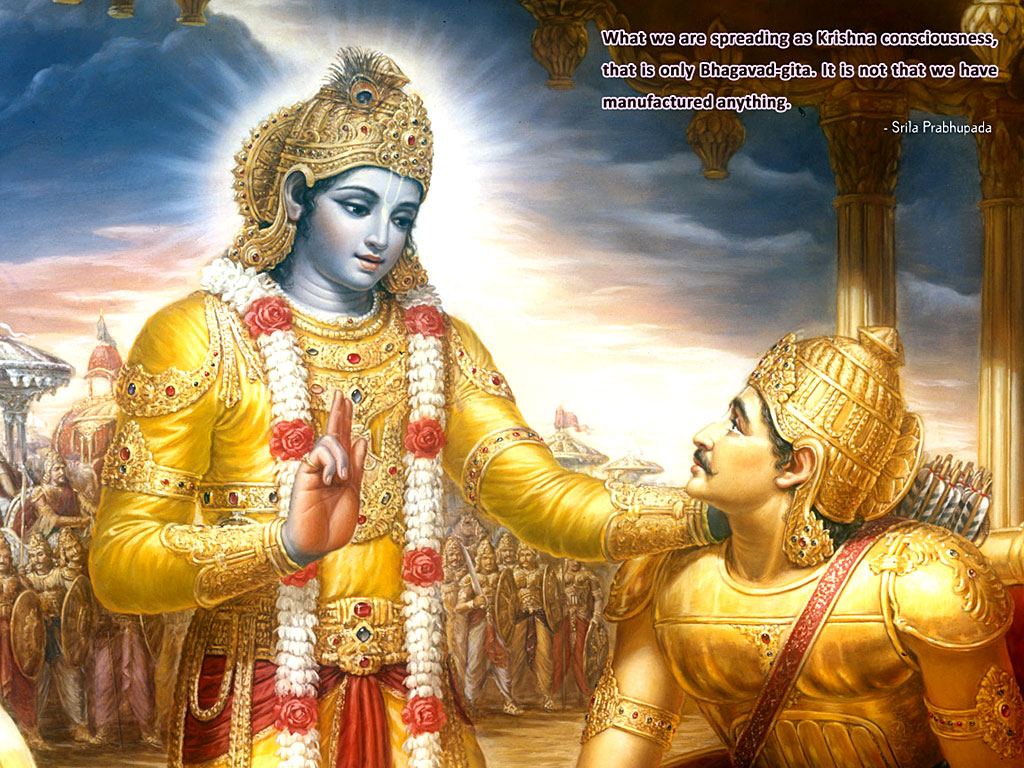
ॐ श्री परमात्मने नमः !!
॥ द्वादशोऽध्यायः ॥
अर्जुन उवाच ।
एवं सततयुक्ता ये भक्तास्त्वां पर्युपासते ॥
ये चाप्यक्षरमव्यक्तं तेषां के योगवित्तमाः ॥१२-१॥
Arjuna said:
Those devotees who, ever-steadfast, thus worship Thee, and those also who worship the Imperishable, the Unmanifested – which of them are better versed in Yoga?
Thus: as declared in the last verse of the preceding chapter 11-55.
The Unmanifested: Avyakta: i.e., That which is incomprehensible to the senses, as devoid of all Upadhis.
अर्जुन ने कहा:
जो भक्त, हमेशा दृढ़ इरादे वाले, इस तरह आपकी पूजा करते हैं, और जो अविनाशी, अव्यक्त की पूजा करते हैं – उनमें से कौन योग में बेहतर जानकार है ?
इस तरह: जैसा कि पिछले चैप्टर ११-५५ के आखिरी श्लोक में बताया गया है ।
अव्यक्त: यानी, वह जो इंद्रियों के लिए समझ से बाहर है, क्योंकि उसमें कोई उपाधि नहीं है ।
अर्जुन कहलनि:
जे भक्त, हमेशा दृढ़ इच्छा राखनिहार, एहि तरहें अपनेक पूजा करैत छथि, आर जे अविनाशी, अव्यक्त केर पूजा करैत छथि – हुनका लोकनि मे सँ के योग मे बेहतर जानकार छथि ?
एहि तरहें: जेना कि पैछला अध्याय ११-५५ केर आखिरी श्लोक मे कहल गेल अछि ।
अव्यक्त: यानी, ओ जे इंद्रिय सभक लेल समझ सँ बाहर छथि, कियैक तँ हुनका मे कोनो उपाधि नहि छन्हि ।
श्रीभगवानुवाच ।
मय्यावेश्य मनो ये मां नित्ययुक्ता उपासते ॥
श्रद्धया परयोपेतास्ते मे युक्ततमा मताः ॥१२-२॥
The Blessed Lord said:
Those who, fixing their mind on Me, worship Me, ever steadfast, and endowed with supreme Sraddha, they in My opinion are the the best versed in Yoga.
भगवान ने कहा:
जो लोग मुझमें मन लगाकर, हमेशा दृढ़ (नित्ययुक्त) रहकर और परम श्रद्धा से युक्त होकर मेरी पूजा करते हैं, वे मेरी राय में योग में सबसे अच्छे जानकार (युक्ततम्) हैं ।
भगवान कहलनि:
जे लोक हमरा मे मन लगाकय, हमेशा दृढ़ (नित्ययुक्त) रहिकय आर परम श्रद्धा सँ युक्त भ’ कय हमर पूजा करैत छथि, से हमरा विचार सँ योग मे सबसँ नीक जानकार (युक्ततम्) छथि ।
ये त्वक्षरमनिर्देश्यमव्यक्त पर्युपासते ॥
सर्वत्रगमचिन्त्यं च कूटस्थमचलं ध्रुवम् ॥१२-३॥
संनियम्येन्द्रियग्रामं सर्वत्र समबुद्धयः ॥
ते प्राप्नुवन्ति मामेव सर्वभूतहिते रताः ॥१२-४॥
But those also, who worship the Imperishable, the Omnipresent, the Unthinkable, the Unchangeable, the Immovable, the Eternal – having subdued all the senses, even-minded everywhere, engaged in the welfare of all beings – verily, they reach only Myself.
Worship: Upasana is approaching the object of worship by way of meditating on it, in accordance with the teachings of the Sastras and the Guru, and dwelling steadily in the current of that one thought, even as a thread of oil poured from one vessel to another.
Unchangeable: Kutastha – lit., remaining like a mass. He who is seated in Maya as its Witness.
लेकिन वे भी, जो अविनाशी, सर्वव्यापक, अकल्पनीय, अपरिवर्तनीय, अचल, शाश्वत की पूजा करते हैं – सभी इंद्रियों को वश में करके, सर्वत्र समचित्त होकर, सभी प्राणियों के कल्याण में लगे हुए – वास्तव में, वे केवल मुझ तक ही पहुंचते हैं ।
पूजा: शास्त्रों और गुरु की शिक्षाओं के अनुसार, पूजा की वस्तु पर ध्यान करते हुए उस तक पहुंचना और उस एक विचार की धारा में स्थिर रूप से रहना, जैसे एक बर्तन से दूसरे बर्तन में तेल का धागा डाला जाता है, उपासना है ।
अपरिवर्तनशील: कूटस्थ – शाब्दिक, पिंड की तरह रहना । वह जो माया में इसका साक्षी बनकर बैठा हुआ है ।
लेकिन ओहो, जे अविनाशी, सर्वव्यापक, अकल्पनीय, अपरिवर्तनीय, अचल, शाश्वत केर पूजा करैत छथि – समस्त इंद्रिय सब केँ वश मे कयकेँ, सर्वत्र समचित्त भ’ कय, समस्त प्राणी सभक कल्याण मे लागल – वास्तव मे, ओ लोकनि केवल हमरहि तक टा पहुंचैत छथि ।
पूजा: शास्त्र सब मे आ गुरु लोकनिक उपदेश (शिक्षा) सभक मुताबिक, पूजाक वस्तु पर ध्यान धरैत हुनका लग पहुँचनाय आ वैह एकटा विचार केर धारा मे स्थिर रूप सँ (निश्चिन्त भ’ कय) रहनाय, जेना एकटा के अनुसार, पूजाक वस्तु पर ध्यान करैत हुनका धरि पहुँचब आउ वैह एक विचार केर धारा मे स्थिर रूप सँ रहब, जेना एकटा बर्तन सँ दोसर बर्तन मे तेल केर बाती (धागा) डालल जाइत अछि, से उपासना थिक ।
अपरिवर्तनशील: कूटस्थ – शाब्दिक, पिंड जेकाँ रहनाय । ओ जे माया मे एकर साक्षी बनिकय बैसल छथि ।
क्लेशोधिकतरस्तेषामव्यक्तासक्तचेतसाम् ॥
अव्यक्ता हि गतिर्दुःखं देहवद्भिरवाप्यते ॥१२-५॥
Greater is their trouble whose minds are set on the Unmanifested; for the goal of the Unmanifested is very hard for the embodied to reach.
The embodied: Those who are attached to, or have identified themselves with, their bodies.
No comparison between the worshippers of the conditioned and unconditioned Brahman is meant here – since by the context, both reach the same goal. The path of the conditioned Brahman is described as superior only because it is easier. The path of the unconditioned Brahman is harder, because of the necessity of having to abandon all attachment to the body, from the very beginning of the practice.
उनका संकट (क्लेश) अधिक बड़ा है जिनका मन अव्यक्त पर लगा हुआ है; क्योंकि अव्यक्त के लक्ष्य तक पहुंचना देहधारी के लिए बहुत कठिन है ।
देहधारी: वे जो अपने शरीर से जुड़े हुए हैं, या उसके साथ अपनी पहचान बना चुके हैं ।
यहां सगुण और निर्गुण ब्रह्म के उपासकों के बीच कोई तुलना नहीं है – क्योंकि संदर्भ के अनुसार, दोनों एक ही लक्ष्य तक पहुंचते हैं । सगुण ब्रह्म का मार्ग केवल इसलिए श्रेष्ठ बताया गया है क्योंकि यह आसान है । निर्गुण ब्रह्म का मार्ग कठिन है, क्योंकि अभ्यास की शुरुआत से ही शरीर के प्रति सभी लगाव को त्यागना आवश्यक है ।
हुनका लोकनिक संकट (क्लेश) बहुत पैघ छन्हि जिनकर मन अव्यक्त पर लागल रहैत छन्हि; कियैक तँ अव्यक्त केर लक्ष्य धरि पहुंचनाय देहधारी सभक लेल बहुते कठिन छैक ।
देहधारी: ओ लोक जे अपन शरीर सँ जुड़ल रहैछ, या ओकरे संग अपन पहिचान बना चुकल अछि ।
एतय सगुण आ निर्गुण ब्रह्म केर उपासक सभक बीच कोनो तुलना नहि अछि – कियैक तँ संदर्भक मुताबिक, दुनू एक्के टा लक्ष्य धरि पहुंचैत छथि । सगुण ब्रह्म केर मार्ग केवल एहि द्वारे श्रेष्ठ कहल गेल अछि कियैक तँ ई आसान (सहज) छैक । निर्गुण ब्रह्म केर मार्ग कठिन छैक, कियैक तँ अभ्यास केर आरम्भहि सँ शरीरक प्रति सबटा लगाव केँ त्यागनाय आवश्यक छैक ।
ये तु सर्वाणि कर्माणि मयि संन्यस्य मत्पराः ॥
अनन्येनैव योगेन मां ध्यायन्त उपासते ॥१२-६॥
तेषामहं समुद्धर्ता मृत्युसंसारसागरात् ॥
भवामि न चिरात्पार्थ मय्यावेशितचेतसाम् ॥१२-७॥
But those who worship Me, resigning all actions to Me, regarding Me as the Supreme Goal, meditating on Me with single-minded Yoga – to these whose mind is set on Me, verily, I become ere long, O son of Prtha, the Saviour out of the ocean of the mortal Samsara.
Mortal Samsara: The round of birth and death.
लेकिन जो लोग मेरी पूजा करते हैं, सारे कर्मों को मुझे सौंप देते हैं, मुझे ही सबसे बड़ा लक्ष्य मानते हैं, और एक मन से योग से मेरा ध्यान करते हैं – जिनका मन मुझ पर लगा रहता है, हे पृथा के पुत्र, मैं उनके लिए बहुत जल्द ही इस मृत्यु के संसार के सागर से बचाने वाला उद्धर्ता (उद्धारकर्ता) बन जाता हूँ ।
मृत्यु का संसार: जन्म और मृत्यु का चक्कर ।
लेकिन जे लोक हमर पूजा करैत अछि, सबटा कर्म सब केँ हमरहि सौंपि दैत अछि, हमरे सब सँ पैघ लक्ष्य मानैत अछि, आर एक मन सँ योग सँ हमर ध्यान करैत अछि – जेकर मन हमरा उपर लागल रहैत छैक, हे पृथाक पुत्र, हम ओकरा लेल बहुत जल्दिये एहि मृत्युक संसार केर सागर सँ बचाबयवला उद्धारकर्ता बनि जाइत छी ।
मृत्यु केर संसार: जन्म आर मृत्यु केर चक्कर ।
मय्येव मन आधत्स्व मयि बुद्धिं निवेशय ॥
निवसिष्यसि मय्येव अत ऊर्ध्वं न संशयः ॥६-८॥
Fix thy mind on Me only, place thy intellect in Me; (then) thou shalt no doubt live in Me hereafter.
Mind: Manas – purpose and thought.
Intellect: the faculty which resolves and determines.
Live in Me: as My Self.
अपना मन सिर्फ मुझमें लगाओ, अपनी बुद्धि मुझमें लगाओ; (तब) तुम बेशक आगे मुझमें ही रहोगे ।
मन: मानस – मकसद और सोच ।
बुद्धि: वह काबिलियत जो तय करती है और निश्चित निर्णय (फैसला) करती है ।
मुझमें रहो: मेरे स्वयं के तौर पर ।
अपन मन केवल हमरा मे लगाउ, अपन बुद्धि हमेशा हमरा मे लगाउ; (तखन) अहाँ निस्सन्देह आगाँ हमरहि मे रहब ।
मन: मानस – मकसद आर सोच ।
बुद्धि: ओ काबिलियत जे तय करैत अछि आर निश्चित निर्णय (फैसला) करैत अछि (जे कि करी, कि नहि करी) ।
हमरा मे रहब: हमर स्वयं केर रूप मे ।
अथ चित्तं समाधातुं न शक्नोषि मयि स्थिरम् ॥
अभ्यासयोगेन ततो मामिच्छाप्तुं धनञ्जय ॥१२-९॥
If thou art unable to fix thy mind steadily in Me, then by Abhyasa-Yoga do thou seek to reach Me, O Dhananjaya.
Abhyasa-Yoga: the practice of repeatedly withdrawing the mind from the objects to which it wanders, and trying to fix it on one thing.
हे धनंजय, अगर तुम अपने मन को मुझमें स्थिर नहीं कर पा रहे हो, तो अभ्यास-योग से मुझे पाने की कोशिश करो ।
अभ्यास-योग: मन को बार-बार उन चीज़ों से हटाकर, जिनमें वह भटकता है, एक चीज़ पर लगाने की कोशिश करना ।
हे धनंजय, अगर अहाँ अपना मन केँ हमरा मे स्थिर नहि कय पाबि रहल होइ, त अभ्यास-योग सँ हमरा पेबाक कोशिश करू ।
अभ्यास-योग: मन केँ बेर-बेर ओहि चीज सब सँ हंटाकय, जाहि मे ओ भटकैत अछि, एक चीज पर लगेबाक कोशिश कयनाय ।
अभ्यासेऽप्यसमर्थोऽसि मत्कर्मपरमो भव ॥
मदर्थमपि कर्माणि कुर्वन्सिद्धिमवाप्स्यसि ॥१२-१०॥
If also thou art unable to practise Abhyasa, be thou intent on doing actions for My sake. Even by doing actions for My sake, thou shalt attain perfection.
यदि तुम अभ्यास करने में भी असमर्थ हो तो मेरे लिए कर्म करने का इरादा (मनसाय) रखो । मेरे लिये कर्म करके भी तू सिद्धि (पूर्णता) को प्राप्त होगा ।
यदि अहाँ अभ्यास करय मे सेहो असमर्थ होइ त हमरा वास्ते कर्म करबाक मनसाय (इच्छा, इरादा) राखू । हमरा लेल कर्म कयकेँ सेहो अहाँ सिद्धि (पूर्णता) केँ प्राप्त होयब ।
अर्थतदप्यशक्तोऽसि कर्तुं मद्योगमाश्रितः ॥
सर्वकर्मफलत्यागं ततः कुरु यतात्मवान् ॥१२-११॥
If thou art unable to do even this, then taking refuge in Me, abandon the fruit of all action, being self-controlled.
In the preceding Slokas – first, the concentration of the mind on the Lord is enjoined; in case of inability to do that, Abhyasa Yoga is advised; if one finds that to be too hard, the performance of actions for the sake of the Lord alone, has been taught. Those who cannot do this even, who want to do things impelled by personal or other desires, are directed to give up the fruits of those actions to the Lord – i.e., not to anticipate, dwell, or build on, or care for, the results, knowing them to be dependent upon the Lord. Those who cannot control their desire for work are taught to practise indifference to the effects thereof.
अगर तुम यह भी नहीं कर सकते, तो मेरी शरण में आकर, खुद पर काबू रखते हुए, सभी कर्मों के फल को छोड़ दो (कर्म के फलों का त्याग कर दो) ।
पिछले श्लोकों में – सबसे पहले, मन को भगवान पर एकाग्र करने की सलाह दी गई है; अगर ऐसा न कर पाओ, तो अभ्यास योग की सलाह दी गई है; अगर किसी को यह बहुत मुश्किल लगे, तो सिर्फ़ भगवान के लिए कर्म करने की शिक्षा दी गई है । जो लोग यह भी नहीं कर सकते, जो अपनी या दूसरी इच्छाओं से प्रेरित होकर काम करना चाहते हैं, उन्हें उन कर्मों का फल भगवान को सौंपने के लिए कहा गया है – यानी, नतीजों का इंतज़ार न करें, उन पर ध्यान न दें, या उन पर काम न करें, या उनकी परवाह न करें, यह जानते हुए कि वे (नतीजे) भगवान पर निर्भर हैं । जो लोग काम करने की अपनी इच्छा को नियंत्रित नहीं कर सकते, उन्हें उसके असर के प्रति बेपरवाह रहने की अभ्यास करने की शिक्षा दी गई है ।
अगर अहाँ इहो नहि कय सकैत छी, त हमर शरण मे आबिकय, स्वयं पर नियंत्रण रखैत, सब कर्म सभक फल केँ छोड़ि दिय’ (कर्म सभक फल केर त्याग कय दिय’) ।
पैछला श्लोक सब मे – सब सँ पहिने, मन केँ भगवान पर एकाग्र करबाक सलाह देल गेल अछि; अगर एना नहि कय पायब, त अभ्यास योग केर सलाह देल गेल अछि; अगर केकरो इहो बड कठिन बुझाइक, त मात्र भगवानक वास्ते कर्म करबाक शिक्षा देल गेल अछि । जे लोक सेहो नहि सकैत अछि, जे अपन या दोसरक इच्छा सब सँ प्रेरित भ’ कय कर्म करय चाहैत अछि, ओकरा ताहि कर्म सभक फल भगवान केँ सौंपबाक लेल कहल गेल छैक – यानि, परिणाम सभक प्रतीक्षा नहि करय, ओहि सब पर ध्यान नहि दियए, या ओहि सब पर कर्म नहि करय, या ओकर सभक परवाह नहि करय, ई जानैत जे ओ (नतीजा सब) भगवान पर निर्भर अछि । जे लोक कर्म करबाक अपन इच्छा केँ नियंत्रित कय सकैत अछि, ओकरा सब केँ ओकर प्रभाव प्रति बेपरवाह रहबाक अभ्यास करबाक शिक्षा देल गेल अछि ।
श्रेयो हि ज्ञानमभ्यासाज्ज्ञानाद्ध्यानं विशिष्यते ॥
ध्यानात्कर्मफलत्यागस्तागाच्छान्तिरनन्तरम् ॥१२-१२॥
Better indeed is knowledge than (blind) Abhyasa; meditation (with knowledge) is more esteemed than (mere) knowledge; than meditation the renunciation of the fruit of action; peace immediately follows renunciation.
Renunciation of the fruit of all actions, as a means to the attainment of Bliss, is merely extolled here by the declaration of the superiority of one over another. Wherefore? Because it constitutes a common factor which immediately precedes Peace, both in the case of the man of wisdom who is steadily engaged in devout contemplation, and also of the ignorant one who, unable to tread the paths taught before, takes it up as the easiest means of Bliss.
ज्ञान, (अंधे) अभ्यास से बेहतर है; (ज्ञान के साथ) ध्यान, (सिर्फ़) ज्ञान से ज़्यादा बेहतर है; ध्यान से कर्म के फल का त्याग ज्यादा बेहतर है; त्याग के तुरंत बाद शांति आती है ।
सभी कर्मों के फल का त्याग, जो आनंद पाने का एक तरीका है, यहाँ सिर्फ़ एक को दूसरे से बेहतर बताकर उसकी तारीफ़ की गई है । क्यों ? (किसलिये ?) क्योंकि यह एक आम बात है जो शांति से ठीक पहले आती है, ज्ञानी आदमी के मामले में जो लगातार भक्ति में लगा रहता है, और उस अनजान आदमी के मामले में भी जो पहले सिखाए गए रास्तों पर नहीं चल पाता, और इसे (नतीजों को त्याग करने की विधि को) आनंद प्राप्ति का सबसे आसान तरीका मान लेता है ।
ज्ञान, (आन्हर) अभ्यास सँ बेसी नीक अछि; (ज्ञान केर संग) ध्यान, (केवल) ज्ञान सँ बेसी नीक अछि; ध्यान सँ कर्म केर फल सभक त्याग; त्याग केर तुरन्त बाद शान्ति अबैत छैक ।
सब कर्म केर फल केर त्याग, जे आनन्द पेबाक एकटा तरीका थिक, एतय मात्र एक केँ दोसर सँ नीक कहिकय ओकर प्रशंसा कयल गेल अछि । कियैक ? (कथी लेल ?) कियैक तँ ई एकटा सामान्य बात ई अछि जे शान्ति सँ ठीक पहिने अबैत छैक, ज्ञानी आदमीक मामिला मे जे लगातार भक्ति मे लागल रहैत अछि, आर ओहि अनजान (अज्ञान) आदमीक मामिला मे सेहो जे पहिने सिखायल गेल रास्ता पर नहि चलि पबैत अछि, आर एहिकेँ (यानि कर्मक फल – परिणाम सभक त्याग करबाक विधि केँ) आनन्द प्राप्तिक सब सँ आसान तरीका मानि लैत अछि ।
अद्वेष्टा सर्वभूतानां मैत्रः करुण एव च ॥
निर्ममो निरहङ्कारः समुदःखसुखः क्षमी ॥१२-१३॥
सन्तुष्टः सततं योगी यतात्मा दृढनिश्चयः ॥
मय्यर्पितमनोबुद्धिर्यो मद्भक्तः स मे प्रियः ॥१२-१४॥
He who hates no creature, and is friendly and compassionate towards all, who is free from the feelings of “I and mine”, even-minded in pain and pleasure, forbearing, ever content, steady in meditation, self-controlled, and possessed of firm conviction, with mind and intellect fixed on Me – he who is thus devoted to Me, is dear to Me.
जो किसी भी जीव से घृणा नहीं करता, और सबके प्रति मित्रता और दयालुता रखता है, जो “मैं और मेरा” की भावना से मुक्त है, दुःख और सुख में एक जैसा सोचता है, सहनशील है, हमेशा संतुष्ट रहता है, ध्यान में स्थिर रहता है, खुद पर काबू रखता है, और जिसका मन और बुद्धि मुझमें लगी रहती है – जो इस तरह मुझमें समर्पित है, वह मेरा भक्त मुझे प्यारा है ।
जे कोनो भी जीव सँ घृणा नहि करैत अछि, आर सभक प्रति मित्रतापूर्ण एवं दयालुता रखैत अछि,जे ‘हम आ हमर’ केर भावना सँ मुक्त अछि, दुःख आ सुख मे एक जेकाँ सोचैत अछि, सहनशील अछि, हमेशा सन्तुष्ट रहैत अछि, ध्यान मे स्थिर रहैत अछि, स्वयं पर नियंत्रण रखैत अछि, आर जेकर मन आ बुद्धि हमरा मे लागल रहैत छैक – जे एहि तरहें हमरा मे समर्पित अछि, से हमर भक्त हमरा प्रिय अछि ।
यस्मान्नोद्विजते लोको लोकान्नोद्विजते च यः ॥
हर्षामर्षभयोद्वेगैर्मुक्तो यः स च मे प्रियः ॥१२-१५॥
He by whom the world is not agitated and who cannot be agitated by the world, who is freed from joy, envy, fear, and anxiety – he is dear to Me.
जिससे संसार उत्तेजित नहीं होता और जिसे संसार उत्तेजित नहीं कर सकता, जो आनंद, ईर्ष्या, भय और चिंता से मुक्त है – वह मुझे प्रिय है ।
जिनका सँ संसार उत्तेजित नहि होइत अछि आर जिनका संसार उत्तेजित नहि कय सकैत अछि, जे आनन्द, ईर्ष्या, भय आ चिन्ता सँ मुक्त छथि – ओ हमरा प्रिय छथि ।
अनपेक्षः शुचिर्दक्ष उदासीनो गतव्यथः ॥
सर्वारम्भपरित्यागी यो मद्भक्तः स मे प्रियः ॥१२-१६॥
He who is free from dependence, who is pure, prompt, unconcerned, untroubled, renouncing every undertaking – he who is thus devoted to Me, is dear to Me.
Free from dependence: on the body, the senses, the sense-objects, and their natural connections.
Prompt: able to decide rightly and immediately in matters demanding prompt action.
Every undertaking: calculated to secure objects of desire, whether of this world or of the next.
जो पराधीनता से मुक्त है, जो शुद्ध, तत्पर, निश्चिन्त, बेपरवाह, प्रत्येक उपक्रम को त्यागने वाला है – जो इस प्रकार मेरे प्रति समर्पित है, वह मुझे प्रिय है ।
निर्भरता से मुक्त: शरीर, इंद्रियों, इंद्रिय-वस्तुओं और उनके प्राकृतिक संबंधों पर ।
शीघ्रता: शीघ्र कार्रवाई की मांग करने वाले मामलों में सही और तुरंत निर्णय लेने में सक्षम ।
प्रत्येक उपक्रम: इच्छा की वस्तुओं को सुरक्षित करने के लिए गणना की जाती है, वह चाहे इस दुनिया की हो या अगले की ।
जे पराधीनता सँ मुक्त छथि (अनपेक्षित), जे शुद्ध, तत्पर, निश्चिन्त, बेपरवाह, प्रत्येक उपक्रम केँ त्यागयवला छथि – जे एहि प्रकार सँ हमरा प्रति समर्पित छथि, ओ हमरा प्रिय छथि ।
पराधीनता (निर्भरता) सँ मुक्त: शरीर, इंद्रिय, इंद्रिय-वस्तु आर तेकर प्राकृतिक सम्बन्ध सब पर ।
शीघ्रता: शीघ्र कार्रवाई केर मांग करयवला मामिला मे सही आ शीघ्र (तुरन्त) निर्णय लय मे सक्षम ।
प्रत्येक उपक्रम: इच्छा केर वस्तु सब केँ सुरक्षित करबाक लेल गानल जाइछ, ओ चाहे एहि दुनिया केर हो या ऐगला केर ।
यो न हृष्यति न द्वेष्टि न शोचति न कांक्षति ॥
शुभाशुभपरित्यागी भक्तिमान् यः स मे प्रियः ॥१२-१७॥
He who neither rejoices, nor hates, nor grieves, nor desires, renouncing good and evil, full of devotion, he is dear to Me.
Hates: Frets at receiving anything undesirable.
Grieves: at parting with a beloved object.
Desires: the unattained.
जो न तो प्रसन्न होता है, न घृणा करता है, न दुःखी होता है, न इच्छा करता है, अच्छाई और बुराई को छोड़कर, भक्ति से भरा हुआ, वह मुझे प्रिय है ।
घृणा: कोई भी अनचाही चीज मिलने पर परेशान होता है ।
दुःखी होता है: किसी प्यारी चीज से अलग होने पर ।
इच्छा: जो नहीं मिला, उसकी (प्राप्ति की) ।
जे नहि तँ प्रसन्न होइत छथि, नहि घृणा करैत छथि, न दुःखी होइत छथि, न इच्छा करैत छथि, नीक आ बेजा केँ छोड़िकय, भक्ति सँ भरल छथि, ओ हमरा प्रिय छथि ।
घृणा: कोनो भी अनचाहा चीज भेटला पर परेशान होइत छथि ।
दुःखी होइत छथि: कोनो प्रिय चीज सँ अलग भेला पर ।
इच्छा: जे नहि भेटल, तेकर (प्राप्ति केर) ।
समः शत्रौ च मित्रे च तथा मानापमानयोः ॥
शीतोष्णसुखदुःखेषु समः सङ्गविवर्जितः ॥१२-१८॥
तुल्यनिन्दास्तुतिर्मौनी सन्तुष्टो येन केनचित् ॥
अनिकेतः स्थिरमतिर्भक्तिमान्मे प्रियो नरः ॥१२-१९॥
He who is the same to friend and foe, and also in honour and dishonour; who is the same in heat and cold, and in pleasure and pain; who is free from attachment; to whom censure and praise are equal; who is silent, content with anything, homeless, steady-minded, full of devotion – that man is dear to Me.
Content with anything, homeless: content with the bare means of bodily sustenance. Says the Mahabharata.
जो दोस्त और दुश्मन के साथ, और प्रतिष्ठा (यश, इज्जत) तथा अप्रतिष्ठा (अपयश, बेइज्जती) में भी एक जैसा रहता है; जो गर्मी और सर्दी में, और सुख व दुःख में एक जैसा रहता है; जो आसक्ति से मुक्त है; जिसके लिए निन्दा और स्तुति (प्रशंसा) बराबर हैं; जो चुप है, किसी भी चीज से खुश है, बेघर है, स्थिर मन वाला है, भक्ति से भरा है – वह आदमी मुझे प्रिय (प्यारा) है ।
किसी भी चीज से खुश, बेघर: शरीर के गुजारे के मामूली साधनों से खुश है । – महाभारत कहता हैः
जे दोस्त आर दुश्मन केर संग, तथा यश आर अपयश मे एक समान रहैत छथि; जे गर्मी आर जाड़ मे, तथा सुख आर दुःख मे एक समान रहैत छथि; जे आसक्ति सँ मुक्त छथि; जिनका लेल निन्दा आ स्तुति (प्रशंसा) समान छन्हि; जे चुप छथि, कोनो भी चीज सँ प्रसन्न छथि, बेघर छथि, स्थिर मनवला छथि, भक्ति सँ भरल छथि – ओ आदमी हमरा बहुत प्रिय छथि ।
कोनो भी चीज सँ खुश, बेघर: शरीर केर गुजारा लेल मामूली साधन सब सँ खुश छथि । – महाभारत कहैछः
येन केनचिदाच्छन्नो येन केनचिदाशितः ॥
यत्रक्वचनशायी स्यात्तन्देवा ब्राह्मणं विदुः ॥
“Who is clad with anything, who is fed on any food, who lies down anywhere, him the gods call a Brahmana.” – Santi Parva
“जो किसी भी चीज से अपने तन को ढका हुआ हो, जो किसी भी अन्न (खाने) से खाया हुआ (तृप्त) हो, जो कहीं भी सोता हो (आराम कर लेता हो), उसे देवता ब्राह्मण कहते हैं ।” – शांति पर्व
“जे कोनो चीज सँ अपन शरीर केँ झँपने होइथ, जे केहनो अन्न (भोजन) सँ खेने (तृप्त) होइथ, जे कतहु सुतैत होइथ (आराम कय लैत होइथ), हुनका देवता लोकनि ब्राह्मण कहैत छथि ।” – शांति पर्व
ये तु धर्म्यामृतमिदं यथोक्तं पर्युपासते ॥
श्रद्दधाना मत्परमा भक्तास्तेऽतीव मे प्रियाः ॥१२-२०॥
And they who follow this Immortal Dharma, as described above, endued with Sraddha regarding Me as the Supreme Goal, and devoted – they are exceedingly dear to Me.
और जो लोग इस अमर धर्म का पालन करते हैं, जैसा कि ऊपर बताया गया है, मुझे सबसे बड़ा लक्ष्य मानकर श्रद्धा रखते हैं, और समर्पित हैं – वे मुझे बहुत ही प्रिय हैं ।
आर जे लोक एहि अमर धर्म केर पालन करैत छथि, जेना कि उपर मे कहल गेल अछि, हमरा सबसँ पैघ लक्ष्य मानिकय श्रद्धा रखैत छथि, तथा समर्पित छथि – ओ हमरा अत्यधिक प्रिय छथि ।
॥ इति भक्तियोगो नाम द्वादशोऽध्यायः ॥
The end of the twelfth chapter, designated, The Way of Devotion.
Harih Harah!!

1 Comment
Badd ananddayak prasang ehi bhag m likhal aichh. Je manav n kekro dukh aa ki sukh san prabhit hoit aichh se byakti k kiyo digbhramit nai ko sakait aichh. Je byakti hamra m man laga k dhyan karait aichh se byakti anand magna rahait chhaith.
अर्जुन उवाच ।
एवं सततयुक्ता ये भक्तास्त्वां पर्युपासते ॥
ये चाप्यक्षरमव्यक्तं तेषां के योगवित्तमाः ॥१२-१॥
अर्जुन कहलनि:
जे भक्त, हमेशा दृढ़ इच्छा राखनिहार, एहि तरहें अपनेक पूजा करैत अछि, आर जे अविनाशी, अव्यक्त केर पूजा करैत अछि – ओहि मे सँ के योग मे बेहतर जानकार अछि ?
एहि तरहें: जेना कि पैछला अध्याय ११-५५ केर आखिरी श्लोक मे कहल गेल अछि ।
अव्यक्त: यानी, ओ जे इंद्रिय सभक लेल समझ सँ बाहर अछि, कियैक तँ ओहि मे कोनो उपाधि नहि छैक ।
1 Trackback or Pingback