
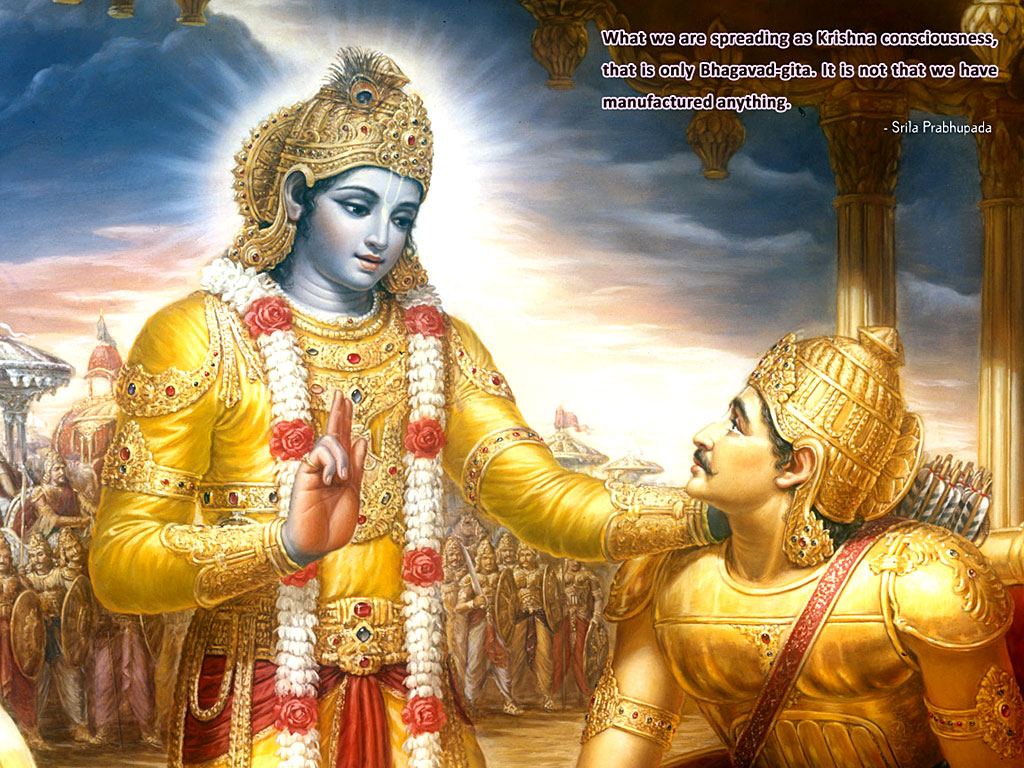
ॐ श्री परमात्मने नमः !!
॥सप्तदशोऽध्यायः॥
अर्जुन उवाच ।
ये शास्त्रविधिमुत्सृज्य यजन्ते श्रद्धयान्विताः ॥
तेषां निष्ठा तु का कृष्ण सत्त्वमाहो रजस्तमः ॥१७-१॥
Arjun said:
Those who, setting aside the ordinance of the Sastra, perform sacrifice with Sraddha, what is their condition, O Krishna? (Is it) Sattva, Rajas or Tamas?
Setting aside the ordinance of the Sastra, perform sacrifice with Sraddha: not that they believe the ordinance of the Sastra to be false, but out of laziness or because of the difficulty in adhering to them strictly, they let them alone and worship the gods, endued with Sraddha.
अर्जुन ने कहा:
हे कृष्ण, जो लोग शास्त्र के नियम को छोड़कर श्रद्धा के साथ यज्ञ करते हैं, उनकी क्या हालत है, (क्या यह) सत्व, रजस या तमस है ?
शास्त्र के नियम छोड़कर श्रद्धा के साथ : ऐसा नहीं है कि वे शास्त्र के नियम को झूठा मानते हैं, बल्कि आलस की वजह से या उन्हें सख्ती से मानने में मुश्किल होने की वजह से, वे उन्हें छोड़ देते हैं और श्रद्धा से भरे देवताओं की पूजा करते हैं ।
अर्जुन कहलनि:
हे कृष्ण, जे लोक शास्त्र केर नियम केँ छोड़िकय श्रद्धाक संग यज्ञ करैत अछि, ओकर कि अबस्था छैक, (कि ओ) सत्व, रजस या तमस थिक ?
शास्त्र केर नियम छोड़िकय श्रद्धाक संग: एहेन नहि छैक जे ओ शास्त्रक नियम केँ झूठ मानैत अछि, बल्कि आलस्यक कारण सँ या ओहि (नियम) सब केँ सख्ती सँ मानय मे दिक्कत रहबाक कारण सँ, ओ एहि नियम सब केँ छोड़ि दैत अछि, आर श्रद्धा सँ भरिकय देवता सभक पूजा करैत अछि ।
श्रीभगवानुवाच ।
त्रिविधा भवति श्रद्धा देहिनां सा स्वभावजा ॥
सात्त्विको राजसी चैव तामसी चेति ता शृणु ॥१७-२॥
The Blessed Lord said:
Threefold is the Sraddha of the embodied, which is inherent in their nature – the Sattvika, the Rajasika and the Tamasika. Do thou hear of it.
Inherent … nature: born of their past Samskaras.
It: the threefold Sraddha.
भगवान ने कहा:
शरीरधारी की श्रद्धा तीन तरह की होती है, जो जन्मजात उनके स्वभाव में होती है – सात्विक, राजसिक और तामसिक । तुम यह भी सुनो ।
जन्मजात उनके स्वभाव: उनके पिछले संस्कारों से पैदा हुआ ।
यह: तीन तरह की श्रद्धा ।
भगवान कहलखिन:
शरीरधारी केर श्रद्धा तीन तरहक होइत छैक, जे जन्मजात ओकर स्वभाव मे रहैत छैक – सात्विक, राजसिक आर तामसिक । एकरहु बारे मे सुनू ।
जन्मजात ओकर स्वभाव: ओकर पैछला संस्कार सब सँ जन्म भेल (स्वभाव) ।
एकरहु बारे: तीन तरह केर श्रद्धाक बारे ।
शरीरधारीः यानि मनुष्य (जीव) – ओ शरीर जाहि मे आत्माक निवास अछि ।
सत्त्वानुरूपा सर्वस्य श्रद्धा भवति भारत ॥
श्रद्धामयोऽयं पुरुषो यो यच्छ्रद्धः स एव सः ॥१७-३॥
The Sraddha of each is according to his natural disposition, O descendant of Bharata. The man consists of his Sraddha; he verily is what his Sraddha is.
Natural disposition: the specific tendencies of Samskaras.
हे भरतवंशी, हर किसी की श्रद्धा उसके स्वाभाविक (प्राकृतिक) स्वभाव (प्रकृति) के अनुसार होती है । मनुष्य अपनी श्रद्धा से ही बनता है; वह वास्तव में वही है जो उसकी श्रद्धा है ।
स्वाभाविक स्वभाव: संस्कारों की खास प्रवृत्तियाँ ।
हे भरतवंशी, हर व्यक्तिक श्रद्धा ओकर स्वाभाविक (प्राकृतिक) स्वभाव (प्रकृति) मुताबिक होइत छैक । मनुष्य अपन श्रद्धा सँ मात्र बनैत अछि; ओ वास्तव मे वैह अछि जे ओकर श्रद्धा छैक ।
स्वाभाविक स्वभाव: संस्कार सभक खास प्रवृत्ति सब ।
यजन्ते सात्त्विका देवान्यक्षरक्षांसि राजसाः ॥
प्रेतान्भूतगणांश्चान्ये यजन्ते तामसा जनाः ॥१७-४॥
Sattvika men worship the Devas, Rajasika, the Yaksas and the Raksasas; the others – the Tamasika men – the Pretas and the hosts of Bhutas.
सात्विक पुरुष देवों, राजसिक, यक्षों और फिर राक्षसों की पूजा करते हैं; दूसरे – तामसिक पुरुष – प्रेत और भूतों की टोली की पूजा करते हैं ।
सात्विक पुरुष देवता लोकनिक, राजसिक, यक्ष सभक तथा पुनः राक्षस सभक पूजा करैत अछि; दोसर दिश – तामसिक पुरुष – भूत आ प्रेत सभक टोलीक पूजा करैत अछि ।
अशास्त्रविहितं घोरं तप्यन्ते ये तपो जनाः ॥
दम्भाहङ्कारसंयुक्ताः कामरागबलान्विताः ॥१७-५॥
कर्शयन्तः शरीरस्थं भूतग्राममचेतसः ॥
मां चैवान्तः शरीरस्थं तान्विद्ध्यासुरनिश्चयान् ॥१७-६॥
Those men who practise severe austerities not enjoined by the Sastras, given to ostentation and egoism, endowed with the power of lust and attachment, torture, senseless as they are, all the organs in the body, and Me dwelling in the body within; know them to be of Asurika resolve.
Austerities: which cause pain to himself and to other living beings.
Possessed …. attachment: may also be interpreted as, “possessed of lust, attachment and power”.
All the organs of the body: the aggregate of all the elements composing the body.
जो लोग शास्त्रों के बिना कठोर तपस्या करते हैं, दिखावे और अहंकार में डूबे रहते हैं, वासना और आसक्ति की शक्ति (ताकत) से ग्रस्त (भरे) होते हैं, शरीर के सभी अंगों को, चाहे वे कितने भी बेमतलब के हों, और शरीर के अंदर रहने वाले मुझे, तकलीफ देते हैं; उन्हें आसुरिक संकल्प वाला जानो ।
तपस्या: जो (जिससे) खुद को और दूसरे जीवों को दर्द देनेवाला होता है ।
वासना और आसक्ति की शक्ति (ताकत) से ग्रस्त: इसका मतलब यह भी हो सकता है, “वासना, आसक्ति और शक्ति (ताकत) से ग्रस्त” ।
शरीर के सभी अंग: शरीर को बनाने वाले सभी तत्वों का समग्र रूप (एग्रीगेट) ।
जे लोक शास्त्र सभक बिना कठोर तपस्या करैत अछि, देखाबा आ अहंकार मे डूबल रहैत अछि, वासना आ आसक्तिक शक्ति (ताकत) सँ ग्रस्त (भरल) रहैत अछि, शरीरक समस्त अंग केँ, चाहे ओ कतबो बेमतलबक हो, आ शरीरक अन्दर रहयवला (अन्तर्यामी) हमरा, तकलीफ दैत अछि; ओकरा आसुरिक संकल्पवला जानू ।
तपस्या: जे (जाहि सँ) स्वयं केँ आ दोसर जीव केँ दर्द दयवला होइत छैक ।
वासना आ आसक्तिक शक्ति (ताकत) सँ ग्रस्त: एकर मतलब इहो भ’ सकैत छैक, “वासना, आसक्ति आर शक्ति (ताकत) सँ ग्रस्त” ।
शरीरक समस्त अंग: शरीर केँ बनाबयवला सम्पूर्ण तत्व सभक समग्र रूप (एग्रीगेट) ।
आहारस्त्वपि सर्वस्य त्रिविधो भवति प्रियः ॥
यज्ञस्तपस्तथा दानं तेषां भेदमिमं शृणु ॥१७-७॥
The food also which is liked by each of them is threefold, as also Yajna, austerity, and almsgiving. Do thou hear this, their distinction.
उनमें से हर एक को जो खाना पसंद है, वह भी तीन तरह का है, जैसे यज्ञ, तपस्या और दान भी (तीन तरह का है) । तुम यह सुनो, उनके बीच का अन्तर भी सुनो ।
ओहि मे सँ हरेक केँ जे भोजन पसिन छैक, ओहो तीन प्रकारक होइत छैक, जेना यज्ञ, तपस्या आ दान सेहो तीन प्रकारक होइत छैक । अहाँ ई सुनू, ओकरा सभक बीच केर अन्तर सेहो सुनू ।
आयुःसत्त्वबलारोग्यसुखप्रीतिविवर्धनाः ॥
रस्याः स्निग्धाः स्थिरा हृद्या आहाराः ॥१७-८॥
The foods which augment vitality, energy, strength, health, cheerfulness, and appetite, which are savoury and oleaginous, substantial and agreeable, are liked by the Sattvika.
जो भोजन जीवनशक्ति, ऊर्जा, मजबूती, सेहत, प्रसन्नता और भूख बढ़ाता है, जो नमकीन और चिकना (चरब), पौष्टिक और स्वादिष्ट होता है, वह सात्विक लोगों को पसंद आता है ।
जे भोजन जीवन शक्ति, ऊर्जा, मजगूती, सेहत, प्रसन्नता आर भूख बढ़बैत अछि, जे नमकीन आर चिक्कण (तैल्यगुणयुक्त), पौष्टिक आर स्वादिष्ट होइत अछि, से सात्विक लोक केँ पसिन अबैत छैक ।
कट्वम्ललवणात्युष्णतीक्ष्णरूक्षविदाहितः ॥
आहारा राजसस्येष्टा दुःखशोकामयप्रदाः ॥१७-९॥
The foods that are bitter, sour, saline, excessively hot, pungent, dry, and burning, are liked by the Rajasika, and are productive of pain, grief, and disease.
Excessively: this word should be construed with each of the seven; thus, excessively bitter, excessively sour, and so on.
जो भोजन कड़वा, खट्टा, नमकीन, बहुत ज़्यादा गर्म, तीखा, सूखा और जलन पैदा करने वाला होता है, वह राजसिक लोगों को पसंद होता है और उससे दर्द, दुःख और बीमारी होती है ।
बहुत ज़्यादा: इस शब्द का मतलब सात में से हर एक से लगाया जाना चाहिए; जैसे, बहुत ज़्यादा कड़वा, बहुत ज़्यादा खट्टा, वगैरह ।
जे भोजन कड़ू, खट्टा, नुनगर, बहुते बेसी गर्म, तीख, सुखायल आर जलन दयवला होइत अछि, से राजसिक लोक केँ पसिन पड़ैत छैक आर ओहि सँ दर्द, दुःख तथा बीमारी होइत छैक ।
बहुत बेसी: एहि शब्द केर मतलब सातो मे सँ हरेक संग लगायल जेबाक चाही, जेना बहुत बेसी कड़ू, बहुत बेसी खट्टा, आदि ।
यातयामं गतरसं पूति पर्युषितं च यत् ॥
उच्छिष्टमपि चामेध्यं भोजनं तामसप्रियम् ॥१७-१०॥
That which is stale, tasteless, stinking, cooked overnight, refuse, and impure, is the food liked by the Tamasika.
Stale: Yatayamam – lit., cooked three hours ago.
Refuse: left on the plate after a meal.
जो बासी, बेस्वाद, बदबूदार, रातका पका हुआ, कचरा और अशुद्ध हो, वह तामसिक लोगों को पसंद आता है ।
बासी: यतायामं – मतलब, तीन घंटे पहले पका हुआ ।
कचरा: खाने के बाद प्लेट में बचा हुआ । (जूठा खाना)
जे बासी, बेस्वाद, गन्धवला, रातिक पकायल गेल, आंइठ-कुंइठ आ अशुद्ध हो, से तामसिक लोक केँ पसिन अबैत छैक ।
बासी: यतायामं – मतलब, तीन घंटा पहिने पकायल गेल ।
आंइठ-कुंइठ: खेलाक बाद थारी मे बचि गेल खाना ।
अफलाकांक्षिभिर्यज्ञो विधिदृष्टो य इज्यते ॥
यष्टव्यमेवेति मनः समाधाय स सात्त्विकः ॥१७-११॥
That Yajna is Sattvika which is performed by men desiring no fruit, as enjoined by ordinance, with their mind fixed on the Yajna only, for its own sake.
वह यज्ञ सात्विक है जो मनुष्य बिना फल की इच्छा के, नियम के अनुसार, केवल यज्ञ में मन लगाकर, उस (यज्ञ) के लिए करते हैं ।
ओ यज्ञ सात्विक अछि जाहि मे मनुष्य बिना फल केर इच्छा कें, नियम अनुसार, केवल यज्ञ मे मन लगाकय, ओहि (यज्ञक) लेल करैत अछि ।
अभिसन्धाय तु फलं दम्भार्थमपि चैव यत् ॥
इज्यते भरतश्रेष्ठ तं यज्ञं विद्धि राजसम् ॥१७-१२॥
That which is performed, O best of the Bharatas, seeking for fruit and for ostentation, know it to be a Rajasika Yajna.
हे भरतश्रेष्ठ, जो फल और दिखावे के लिए किया जाता है, उसे राजसिक यज्ञ जानो ।
हे भरतश्रेष्ठ, जे फल आर देखाबा करबाक लेल कयल जाइत अछि, तेकरा राजसिक यज्ञ जानू ।
विधिहीनमसृष्टान्नं मन्त्रहीनमदक्षिणम् ॥
श्रद्धाविरहितं यज्ञं तामसं परिचक्षते ॥१७-१३॥
The Yajna performed without heed to ordinance, in which no food is distributed, which is devoid of Mantras, gifts, and Sraddha, is said to be Tamasika.
जो यज्ञ बिना नियम के किया जाता है, जिसमें भोजन नहीं बांटा जाता, जिसमें मंत्र, दान और श्रद्धा नहीं होती, उसे तामसिक कहा जाता है ।
जे यज्ञ बिना नियम केर कयल जाइत अछि, जाहि मे अन्न (भोजन) नहि बाँटल जाइत अछि, जाहि मे मंत्र, दान आ श्रद्धा नहि रहैत अछि, ओकरा तामसिक कहल जाइछ ।
देवद्विजगुरुप्राज्ञपूजनं शौचमार्जवम् ॥
ब्रह्मचर्यमहिंसा च शारीरं तप उच्यते ॥१७-१४॥
Worship of the Devas, the twice-born, the Gurus, and the wise; purity, straightforwardness, continence, and non-injury are called the austerity of the body.
देवों, द्विजों, गुरुओं और बुद्धिमानों की पूजा; पवित्रता (शुचिता), सरलता, संयम और किसी को चोट न पहुँचाना (अहिंसा), ये शरीर की तपस्या कहलाती है ।
देव लोकनि, द्विज लोकनि, गुरु लोकनि आ बुद्धिमान लोकनिक पूजा; पवित्रता (शुचिता), सरलता, संयम आर केकरहु चोट नहि पहुँचेनाय (अहिंसा), ई शरीर (तन) केर तपस्या कहाइत अछि ।
अनुद्वेगकरं वाक्यं सत्यं प्रियहितं च यत् ॥
स्वाध्यायाभ्यसनं चैव वाङ्मयं तप उच्यते ॥१७-१५॥
Speech which causes no vexation, and is true, as also agreeable and beneficial and regular study of the Vedas – these are said to form the austerity of speech.
Speech, to be an austerity, must form an invariable combination of all the four attributes mentioned in the Sloka; if it lacks in one or other of them, it will no longer be an austerity of speech.
ऐसी वाणी जिससे कोई परेशानी न हो, और सच्ची हो, साथ ही सहमति योग्य (अच्छी) और फायदेमंद हो और वेदों का निरन्तर अध्ययन (स्वाध्याय अभ्यास) हो – ये वाणी की तपस्या कही जाती है ।
वाणी को तपस्या होने के लिए, श्लोक में बताए गए चारों गुणों का पक्का मेल (संयोग) होना चाहिए; अगर उसमें इनमें से किसी एक की भी कमी हो, तो वह वाणी की तपस्या नहीं रहेगी ।
एहेन वाणी जाहि सँ कोनो दिक्कत नहि हो, आर सत्य हो, संगहि सहमति योग्य (नीक) आ लाभदायक हो तथा वेदक निरन्तर अध्ययन (स्वाध्यायक अभ्यास) हो – ई वाणीक तपस्या कहल जाइत अछि ।
वाणीक तपस्या हेबाक लेल, श्लोक मे कहल गेल चारू गुणक सुनिश्चित मेल (संयोग) रहबाक चाही; अगर एहिमे ओहि (चारि) मे सँ कोनो एकटाक कमी रहत, त ओ वाणीक तपस्या नहि रहि जायत ।
मनःप्रसादः सौम्यत्वं मौनमात्मविनिग्रहः ॥
भावसंशुद्धिरित्येतत्तपो मानसमुच्यते ॥१७-१६॥
Serenity of mind, kindliness, silence, self-control, honesty of motive – this is called the mental austerity.
Silence: Maunam – is the result of the control of thought so far as it concerns speech. Or it may mean, the condition of the Muni, i.e., practice of meditation.
मन की शांति, दया, मौन, स्वयं पर काबू (आत्मनियंत्रण), इरादे की ईमानदारी – इसे मानसिक तपस्या कहते हैं ।
मौन: मौन – यह वाणी के संबंध में विचारों पर नियंत्रण का नतीजा है । या इसका मतलब मुनि की स्थिति, यानी ध्यान का अभ्यास हो सकता है ।
मनक शान्ति, दया, मौन (चुप्पी), स्वयं पर संयम (आत्मनियंत्रण), मनसाय (इरादा) केर ईमानदारी – एकरा मानसिक तपस्या कहैत छैक ।
मौन: चुप्पी – ई वाणी केर सम्बन्ध मे विचार सब पर नियंत्रण केर परिणाम थिक । या एकर मतलब मुनि केर स्थिति, यानी ध्यानक अभ्यास भ’ सकैत अछि ।
श्रद्धया परया तप्तं तपस्तत्त्रिविधं नरैः ॥
अफलाकांक्षिभिर्युक्तैः सात्त्विकं परिचक्षते ॥१७-१७॥
This threefold austerity practised by steadfast men, with great Sraddha, desiring no fruit, is said to be Sattvika.
यह तीन तरह की तपस्या जो पक्के इरादे वाले (दृढ़-प्रतिज्ञ) लोग बड़ी श्रद्धा के साथ, बिना किसी फल की इच्छा के करते हैं, सात्विक कही जाती है ।
ई तीन प्रकारक तपस्या (तन, मन व वाणी) जे दृढ़-प्रतिज्ञ लोक (पक्का इरादा वला लोक) पैघ श्रद्धाक संग, बिना कोनो फल केर आकांक्षा (अपेक्षा) केँ करैत अछि, सात्विक कहल जाइत अछि ।
सत्कारमानपूजार्थं तपो दम्भेन चैव यत् ॥
क्रियते तदिहं प्रोक्तं राजसं चलमध्रुवम् ॥१७-१८॥
That austerity which is practised with the object of gaining welcome, honour, and worship, and with ostentation, is here said to be Rajasika, unstable, and transitory.
With ostentation: for mere show, hypocritically, with no sincere belief.
Here: is explained also in the sense of “of this world”, i.e., yielding fruit only in this world.
जो तपस्या स्वागत, सम्मान और पूजा पाने के लिए और दिखावे के साथ की जाती है, उसे यहाँ राजसिक, अस्थिर और क्षणिक (कुछ समय के लिए रहने वाला) कहा गया है ।
दिखावे के साथ: सिर्फ दिखावे के लिए, पाखंड के साथ, बिना किसी सच्चे विश्वास के ।
यहाँ: इसे “इस दुनिया का” के मतलब में भी समझाया गया है, यानी, सिर्फ इसी दुनिया में फल देने वाला ।
जे तपस्या स्वागत, सम्मान आर (अपन) पूजा (प्रतिष्ठा) पाबय लेल आ देखाबाक संग कयल जाइत अछि, ओकरा एतय राजसिक, अस्थिर आ क्षणिक (किछेक समय टिकयवला) कहल गेल अछि ।
देखाबाक संग: मात्र देखाबाक लेल, पाखण्डक संग, बिना कोनो सत्य विश्वास केर ।
एतय: एकरा “एहि दुनिया केर” केर अर्थ मे सेहो बुझायल गेल अछि, यानि, मात्र एहि दुनिया टा मे फल दयवला (हिसाब सँ) ।
मूढग्राहेणात्मनो यत्पीडया क्रियते तपः ॥
परस्योत्सादनार्थं वा तत्तामसमुदाहृतम् ॥१७-१९॥
That austerity which is practised out of a foolish notion, with self-torture or for the purpose of ruining another, is declared to be Tamasika.
जो तपस्या बेवकूफी भरी सोच से, खुद को तकलीफ देने के लिए या किसी दूसरे को बर्बाद करने के मकसद से की जाती है, उसे तामसिक कहा जाता है ।
जे तपस्या मूर्खता भरल सोच सँ, अपना केँ तकलीफ देबाक लेल या कियो दोसर केँ बर्बाद करबाक उद्देश्य सँ कयल जाइत अछि, ओकरा तामसिक कहल जाइत छैक ।
दातव्यमिति यद्दानं दीयतेऽनुपकारिणे ॥
देशे काले च पात्रे च तद्दानं सात्त्विकं स्मृतम् ॥१७-२०॥
“To give is right” – gift given with this idea, to one who does no service in return, in a fit place and to a worthy person, that gift is held to be Sattvika.
Who …. return: one who cannot, or who though able is not expected to return the good.
“देना सही है” – इस सोच के साथ दिया गया उपहार, उसको जो कि इसके बदले में कोई सेवा नहीं करता, सही (उपयुक्त, उचित) स्थान पर और योग्य व्यक्ति को दिया गया दान (उपहार) सात्विक माना जाता है ।
जो कि इसके बदले कोई सेवा नहीं करता (कुछ भी नहीं लौटाता है): वह जो अच्छाई (दिया गया दान/उपहार) लौटा नहीं सकता, या वह जो सक्षम होते हुए भी अच्छाई लौटायेगा इसकी आशा (अपेक्षा) नहीं रखता ।
“देनाय सही अछि” – एहि सोचक संग देल गेल उपहार, ओकरा जे कि एकर बदला मे कोनो सेवा नहि करत, सही (उपयुक्त) स्थान पर आ योग्य व्यक्ति केँ देल गेल उपहार सात्विक मानल जाइत अछि ।
जे कि एकर बदला मे कोनो सेवा नहि करत (किछुओ नहि घुरायत): जे नेकी (देल गेल दान/उपहार) वापस नहि कय सकैछ, अथवा जे सक्षम होइतहु नेकी (कयल गेल नीक यानि देल गेल उपहार) केँ लौटेबाक आशा (अपेक्षा) नहि रखैछ ।
यत्तु प्रत्युपकारार्थं फलमुद्दिश्य वा पुनः ॥
दीयते च परिक्लिष्टं तद्दानं राजसं स्मृतम् ॥१७-२१॥
And what is given with a view to receiving in return, or looking for the fruit, or again reluctantly, that gift is held to be Rajasika.
और जो बदले में प्राप्त करने की दृष्टि से, या फल की आशा से, या फिर अनिच्छा से दिया जाता है, वह उपहार राजसिक माना जाता है ।
आर जे (दान/उपहार केर) बदला मे वापस किछु प्राप्त करबाक दृष्टि सँ, या फल केर आशा सँ, या फेर अनिच्छा सँ देल जाइत अछि, से उपहार राजसिक मानल जाइत अछि ।
अदेशकाले यद्दानमपात्रेभ्यश्च दीयते ॥
असत्कृतमवज्ञातं तत्तामसमुदाहृतम् ॥१७-२२॥
The gift that is given at the wrong place or time, to unworthy persons, without regard or with disdain, that is declared to be Tamasika.
जो दान गलत जगह या समय पर, अयोग्य लोगों को, बिना किसी सम्मान या तिरस्कार के दिया जाता है, उसे तामसिक कहा जाता है ।
जे दान गलत स्थान या समय पर, अयोग्य लोक केँ, बिना कोनो सम्मान या तिरस्कार केँ देल जाइत अछि, ओकरा तामसिक कहल जाइत छैक ।
ॐ तत्सदिति निर्देशो ब्रह्मणस्त्रिविधः स्मृतः ॥
ब्राह्मणास्तेन वेदाश्च यज्ञाश्च विहिताः पुरा ॥१७-२३॥
“Om, Tat, Sat”: this has been declared to be the triple designation of Brahman. By that were made of old the Brahmanas, the Vedas, and the Yajnas.
Om, Tat, Sat: Om is the principal name of the Lord, because it means all that is manifest and the beyond. It also means “Yes”. Tat means “That”; the Indefinable, that which can only be described indirectly as “That which”. Sat means “Reality”; which is ever permanent in one mode of being.
“ॐ, तत्, सत्”: इसे ब्रह्म का त्रिगुण पदनाम घोषित किया गया है । इसी से प्राचीनकाल में ब्राह्मण, वेद और यज्ञ बने ।
ॐ, तत्, सत्: ॐ भगवान का प्रमुख नाम है, क्योंकि इसका अर्थ है वह सब जो प्रकट है और परे (अप्रकट) है । इसका अर्थ “हाँ” भी है । तत् का अर्थ है “वह”; अनिश्चित, जिसे केवल अप्रत्यक्ष रूप से “वह जो” के रूप में वर्णित किया जा सकता है । सत् का अर्थ है “वास्तविकता”; जो अस्तित्व के एक रूप में सदैव स्थायी रहता है ।
“ॐ, तत्, सत्”: एकरा ब्रह्म केर त्रिगुण पदनाम घोषित कयल गेल अछि । एहि सँ प्राचीनकाल मे ब्राह्मण, वेद आर यज्ञ बनल ।
ॐ, तत्, सत्: ॐ भगवान केर प्रमुख नाम थिक, कियैक तँ एकर अर्थ अछि ओ सब किछु जे प्रकट अछि आ परे (अप्रकट) अछि । एकर अर्थ “हाँ” सेहो छैक । तत् केर अर्थ अछि “ओ”; अनिश्चित, जेकरा केवल अप्रत्यक्ष रूप सँ “ओ जे” केर रूप मे वर्णित कयल जा सकैत अछि । सत् केर अर्थ अछि “वास्तविकता”; जे अस्तित्व केर एक रूप मे सदैव स्थायी रहैत अछि ।
तस्मादोमित्युदाहृत्य यज्ञदानतपःक्रियाः ॥
प्रवर्तन्ते विधानोक्ताः सततं ब्रह्मवादिनाम् ॥१७-२४॥
Therefore, uttering “Om”, are the acts of sacrifice, gift, and austerity as enjoined in the ordinances, always begun by the followers of the Vedas.
इसलिए, “ॐ” का उच्चारण करना, यज्ञ, दान और तपस्या के कार्य हैं, जैसा कि (शास्त्रीय) नियमों में बताया गया है, और वेदों को मानने वाले हमेशा इसी से शुरुआत करते हैं ।
अतः, “ॐ” केर उच्चारण कयनाय, यज्ञ, दान आर तपस्याक कार्य थिक, जेना कि (शास्त्रीय) नियम सब मे कहल गेल अछि, आर वेद सब केँ मानयवला हमेशा एहि सँ आरम्भ करैत छथि ।
तदित्यनभिसन्धाय फलं यज्ञतपःक्रियाः ॥
दानक्रियाश्च विविधाः क्रियन्ते मोक्षकांक्षिभिः ॥१७-२५॥
Uttering “Tat”, without aiming at fruits, are the various acts of Yajna, austerity, and gift performed by the seekers of Moksa.
फल की इच्छा किए बिना “तत्” कहना, मोक्ष चाहने वालों द्वारा किए जाने वाले यज्ञ, तपस्या और दान के विभिन्न कार्य हैं ।
फल केर इच्छा कएने बिना “तत्” कहनाय, मोक्ष चाहयवला लोक सब द्वारा कयल जायवला यज्ञ, तपस्या आ दान केर विभिन्न कार्य थिक ।
सद्भावे साधुभावे च सदित्येतत्प्रयुज्यते ॥
प्रशस्ते कर्मणि तथा सच्छब्दः पार्थ युज्यते ॥१७-२६॥
The word “Sat” is used in the sense of reality and of goodness; and so also, O Partha, the word “Sat” is used in the sense of an auspicious act.
“सत्” शब्द का इस्तेमाल वास्तविकता और अच्छाई के मतलब में किया जाता है; और इसी तरह, हे पार्थ, “सत्” शब्द का इस्तेमाल शुभ कर्म के अर्थ में भी किया जाता है ।
“सत्” शब्द केर प्रयोग वास्तविकता आ नेकीक अर्थ मे कयल जाइत अछि; आर एहि तरहें, हे पार्थ, “सत्” शब्दक प्रयोग शुभ कर्मक अर्थ मे सेहो कयल जाइत अछि ।
यज्ञे तपसि दाने च स्थितिः सदिति चोच्यते ॥
कर्म चैव तदर्थीयं सदित्येवाभिधीयते ॥१७-२७॥
Steadiness in Yajna, austerity, and gift is also called “Sat”; as also action in connection with these (or, action for the sake of the Lord) is called “Sat”.
यज्ञ, तपस्या और दान में स्थिरता को भी “सत्” कहा जाता है; और इनसे जुड़े कर्म (या भगवान के लिए किये जानेवाला कर्म) को भी “सत्” कहा जाता है ।
यज्ञ, तपस्या आर दान मे स्थिरता केँ सेहो “सत्” कहल जाइत अछि; आर एहि मे जुड़ल कर्म (या भगवान केर वास्ते कयल जायवला कर्म) केँ सेहो “सत्” कहल जाइत अछि ।
अश्रद्धया हुतं दत्तं तपस्तप्तं कृतं च यत् ॥
असदित्युच्यते पार्थ न च तत्प्रेत्य नो इह ॥१७-२८॥
Whatever is sacrificed, given, or performed and whatever austerity is practised without Sraddha, it is called Asat, O Partha; it is naught here or hereafter.
It is naught here or hereafter: Thou costing much trouble it is of no use here as it is not acceptable to the wise ones, nor can it produce any effect conductive to good hereafter.
हे पार्थ, जो भी त्याग (बलिदान, हविष्य) दिया जाता है या किया जाता है तथा जो भी तपस्या बिना श्रद्धा के की जाती है, उसे असत् कहते हैं; वह न यहाँ (किसी काम का होता) है, न ही परलोक में ।
वह न यहाँ है, न ही परलोक में: भले ही इससे बहुत दिक्कत हो जाये, पर उसका यहाँ कोई उपयोग नहीं है क्योंकि वह बुद्धिमानों को स्वीकार नहीं है, और न ही वह परलोक में कोई अच्छा प्रभाव डाल सकता है । (बिना श्रद्धा के दान-तपस्या आदि से..)
हे पार्थ, जेहो कोनो त्याग (बलिदान, हविष्य) देल जाइछ या कयल जाइछ तथा जेहो कोनो तपस्या बिना श्रद्धा केर कयल जाइत अछि, ओकरा असत् कहैत छैक; ओ नहि तँ एतय (कोनो काजक) अछि, न परलोक मे (कोनो काजक) होइछ ।
ओ नहि तँ एतय (कोनो काजक) अछि, न परलोक मे (कोनो काजक) होइछ: भले ही ओहि सँ काफी रास दिक्कत होइक, मुदा ओकर एतय कोनो उपयोग नहि अछि कियैक तँ बुद्धिमान लोक केँ स्वीकार नहि छन्हि, आर नहिये ओ परलोक मे कोनो प्रभाव दय सकैत अछि । (बिनु श्रद्धाक दान-तपस्या आदि सँ)
इति श्रद्धात्रयविभागयोगो नाम सप्तदशोऽध्यायः ॥
The end of the seventeenth chapter, designated, The Enquiry into the Threefold Sraddha.
Harih Harah!!

2 Comments
नीक काज क रहल छी। मैथिली मे अनुवाद खूब सटीक भेल अछि। हरि ऊं तत्सत!!!
Je manav nirlobh aa niskam bhav san neek kaaj je sastrasangat hoit chhai, je karait chhaith o apan jivan k anandpurvak jivait chhaith.
अर्जुन उवाच ।
ये शास्त्रविधिमुत्सृज्य यजन्ते श्रद्धयान्विताः ॥
तेषां निष्ठा तु का कृष्ण सत्त्वमाहो रजस्तमः ॥१७-१॥
अर्जुन कहलनि:
हे कृष्ण, जे लोक शास्त्र केर नियम केँ छोड़िकय श्रद्धाक संग यज्ञ करैत अछि, ओकर कि अवस्था छैक, (कि ओ) सत्व, रजस या तमस थिक ?
शास्त्र केर नियम छोड़िकय श्रद्धाक संग: एहेन नहि छैक जे ओ शास्त्रक नियम केँ झूठ मानैत अछि, बल्कि आलस्यक कारण सँ या ओकरा सब केँ सख्ती सँ मानय मे मुश्किल हेबाक कारण सँ, ओ सब ओहि नियम सब केँ छोड़ि दैत अछि, आर श्रद्धा सँ भरिकय देवता सभक पूजा करैत अछि ।